
Decoding Shifts in Consumer Preferences in India's FMCG Market
India’s Fast-Moving Consumer Goods (FMCG) sector has undergone transformative changes in recent years, driven by evolving consumer preferences, digital advancements, and shifting socio-economic dynamics.

A VENKATA SAI KASYAP
Founder of Real Plan Consulting
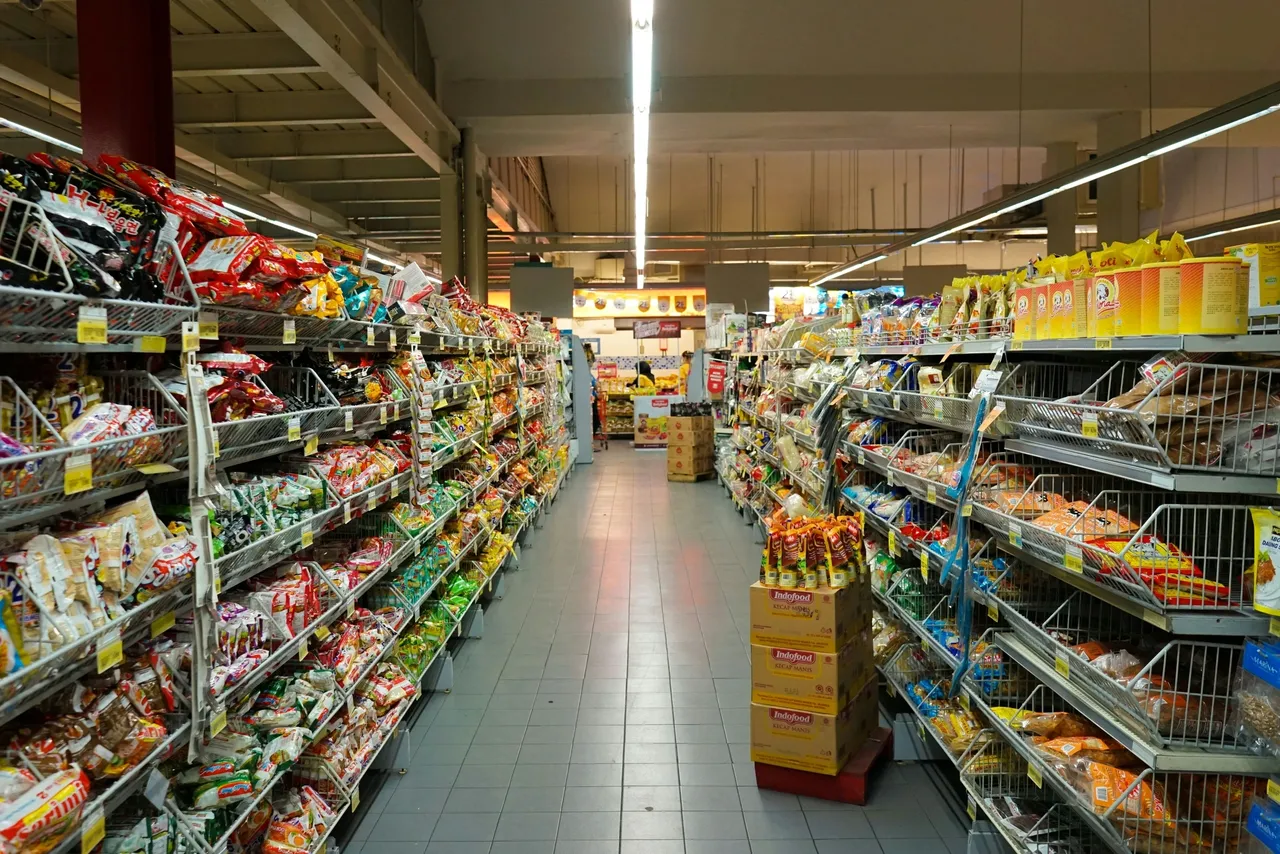
India’s Fast-Moving Consumer Goods (FMCG) sector has undergone transformative changes in recent years, driven by evolving consumer preferences, digital advancements, and shifting socio-economic dynamics. As one of the largest sectors in India, the FMCG industry includes a wide range of products such as food and beverages, personal care, household items, and healthcare products. Understanding consumer trends in this sector is pivotal for businesses to stay competitive and cater to an increasingly discerning customer base.
The Digital Revolution and E-Commerce Boom
The digital shift has been monumental in shaping consumer behavior within the FMCG space. With over 650 million internet users in India and growing, the rapid penetration of smartphones and the availability of affordable data have led to a surge in online shopping. The COVID-19 pandemic further accelerated the adoption of e-commerce platforms, transforming how consumers purchase everyday goods. According to a report by KPMG, the Indian FMCG e-commerce market is expected to grow at a compound annual growth rate (CAGR) of 27.9%, reaching $22 billion by 2025. Consumers, particularly in urban areas, are now more inclined towards convenience. With just a few taps on a smartphone, they can have groceries, personal care products, and even household essentials delivered to their doorstep. This shift has led traditional FMCG companies to embrace omni channel strategies, combining physical stores with robust online platforms. As the digital revolution continues, companies need to ensure seamless shopping experiences across all channels.
Shift Towards Health and Wellness Products
Another significant consumer trend in India’s FMCG sector is the growing demand for health and wellness products. The increasing awareness of healthy lifestyles, amplified by the pandemic, has made consumers more conscious of what they consume. Products labeled as organic, natural, or fortified with nutrients have seen a noticeable rise in demand. A Nielsen report highlighted that 54% of Indian consumers are now actively seeking healthier product options, including those with reduced sugar, enhanced nutrition, and cleaner labels.
The personal care and food categories, in particular, have witnessed this shift. Consumers are showing interest in immunity-boosting foods, herbal supplements, and chemical-free personal care products. This shift is further emphasised by the rise of Ayurveda and traditional Indian remedies gaining traction in modern FMCG offerings.
The Rise of Tier 2 and 3 Cities
While urban centers have traditionally dominated FMCG consumption, the rise of Tier 2 and Tier 3 cities has unlocked new opportunities for businesses. Fueled by increasing disposable incomes and better infrastructure, these cities are experiencing a shift in consumption patterns. According to a report by the Confederation of Indian Industry (CII), rural and semi-urban areas account for nearly 40% of the FMCG market in India, and this is projected to grow significantly over the coming years.
Consumers in these regions are increasingly brand-conscious, looking for quality products at affordable prices. FMCG companies are adapting to this demand by offering smaller SKUs (Stock Keeping Units) to make premium products more accessible and affordable in smaller markets. Additionally, local tastes and preferences play a significant role in product development, requiring companies to localize their offerings while maintaining global standards.
Sustainability and Ethical Consumption
Sustainability has emerged as a significant trend within India's FMCG sector, with consumers showing growing concern for the environment and ethical production practices. Reports suggest that 72% of Indian consumers prefer products that are eco-friendly, cruelty-free, or come from sustainable sources. Brands that can demonstrate a genuine commitment to these causes are more likely to gain consumer trust and loyalty.
This has led to innovations in packaging, with companies reducing plastic usage or opting for biodegradable materials. Additionally, there’s a rise in ‘conscious consumption,’ with consumers being more mindful of waste reduction and environmental impact. Companies that align with these values are increasingly seeing an uptick in their sales and brand credibility.
The Trends
- Digital FMCG Sales: According to Statista, India's FMCG e-commerce sector saw a growth of 25% in 2023, with online grocery shopping becoming a significant contributor.
- Health and Wellness: A report by Euro monitor indicates that the Indian health and wellness FMCG market grew by 18% year-on-year, driven by increasing consumer focus on immune-boosting products.
- Rural Growth: The rural FMCG market grew by 9.6% in 2023, according to AC Nielsen, compared to 8% growth in urban markets, signalling the potential of untapped semi-urban regions.
- Sustainability: Research from Deloitte shows that 62% of Indian millennials are willing to pay more for sustainable and environmentally friendly products.
The Role of Data in Shaping FMCG Strategies
In today's competitive landscape, data has become an indispensable tool for FMCG companies to understand consumer behaviour, preferences, and trends. Advanced analytics and AI-powered tools are being utilized to track buying patterns, predict consumer needs, and personalize marketing efforts. Real-time insights allow companies to respond to changing demands more effectively, whether by adjusting product lines or improving customer engagement.
For instance, the use of predictive analytics enables brands to forecast demand more accurately, reducing inventory costs and minimizing wastage. Furthermore, the ability to segment customers based on their purchasing behaviour, location, and demographics has allowed FMCG companies to target the right audience with the right product, at the right time.
More related blogs

The Essential Role of Market Research in Start-Up Success
In the competitive world of start-ups, where bold ideas collide with market realities, one element stands out as a fundamental pillar for success:Market Research.

The Importance of Market Research in Today's Competitive Business
In today’s fast-evolving business environment, competition is fiercer than ever. Companies are constantly vying for market share, customer attention, and loyalty.

Optimizing Business Success through Strategic Location Analysis
In today’s fiercely competitive business environment, establishing your business in the right location can mean the difference between success and failure. The days of relying solely on intuition or mere visibility for choosing a location are long gone.
.aa1fbc66.webp)
.472e3010.webp)
.b585c3ce.webp)
.550b5f97.webp)
.c0585a9c.webp)
.01f95931.webp)
.b31b7b26.webp)
.93a72342.webp)
.d4896d80.webp)
.95ca9319.webp)
.c4c4b939.webp)
.4eaa46ce.webp)